Templates aren't bad. Custom isn't always good. The honest answer to "should I get a template or custom" is "depends on what you're trying to do". Here's the framework.
Designers love telling you templates are tacky. Template-platform reps love telling you custom is overpriced vanity. They're both wrong, and they're both right, depending on what you're actually trying to do.
There's no universal answer. There's a framework. Here it is.
When a template is the right call
Templates exist because most websites do the same job. Show what you offer, prove you exist, give someone a way to contact you. If that's your brief, a good template, set up properly, will absolutely do the work.
- Pre-revenue or early-stage: you don't know what works yet, you need to be online cheaply
- MVP testing: the website is a placeholder while you validate the actual product
- Brand is still forming: don't pay for custom design of a brand that'll change in 6 months
- Tight budget (under £1k all-in including hosting and domain)
- Side project, hobby business, portfolio, personal blog
Get a clean template. Customise the colours. Write good copy. Add real photos. You'll have a perfectly respectable site for a few hundred quid. People who tell you that's beneath you are usually trying to sell you something.
When you need custom
Custom matters when the design itself has a job to do beyond "display information". When the way the site looks and feels is part of the offer.
- High-ticket services where credibility is the entire pitch
- Premium positioning: if you charge premium, you can't look like everyone else
- Complex flows: bespoke booking, configurators, members areas, multi-step quoting
- E-commerce with brand-led storytelling, not just a product grid
- Your brand is your moat (creative agency, restaurant group, design-led product)
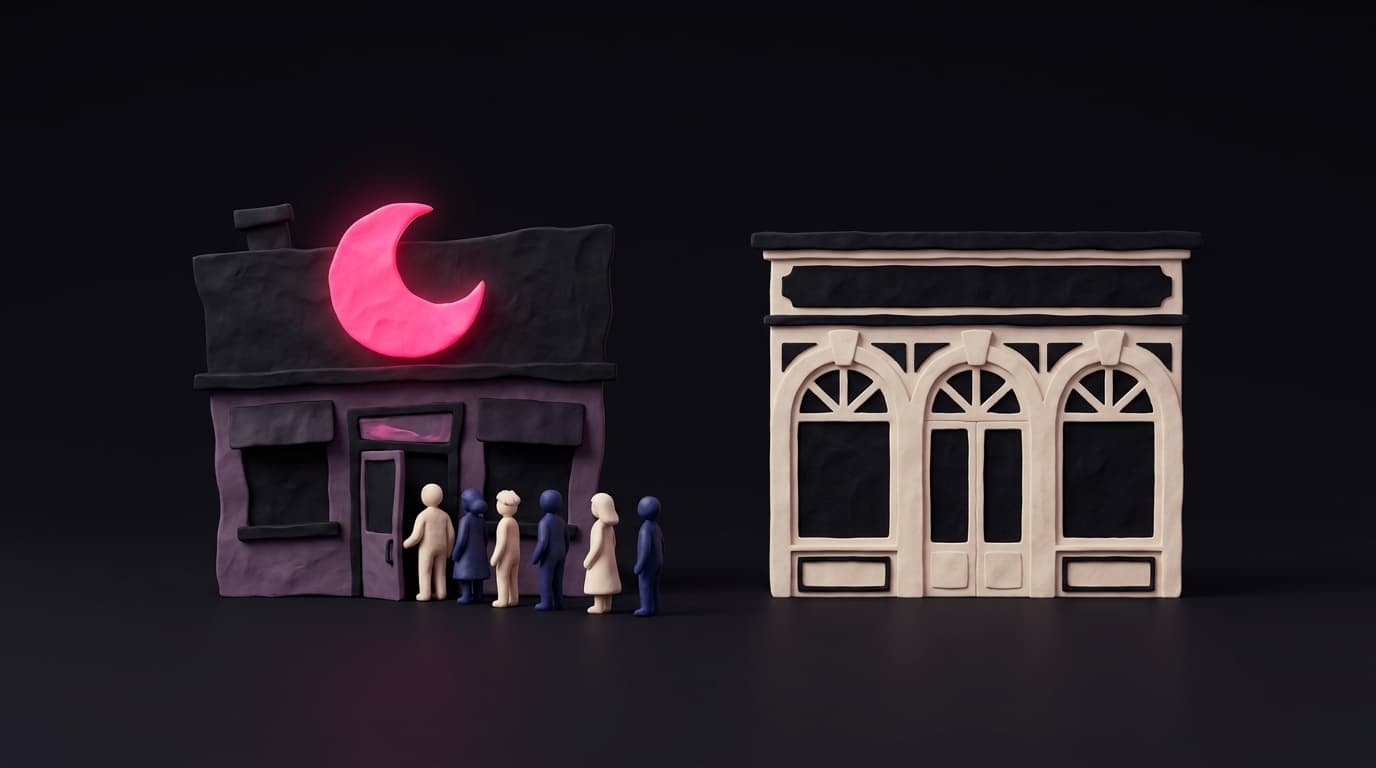
In all of these, the template will actively cost you. Not because it's ugly, but because it makes you look interchangeable. If your competitor and you look like you bought the same kit, you compete on price. That's the worst place to compete.
The middle ground nobody talks about
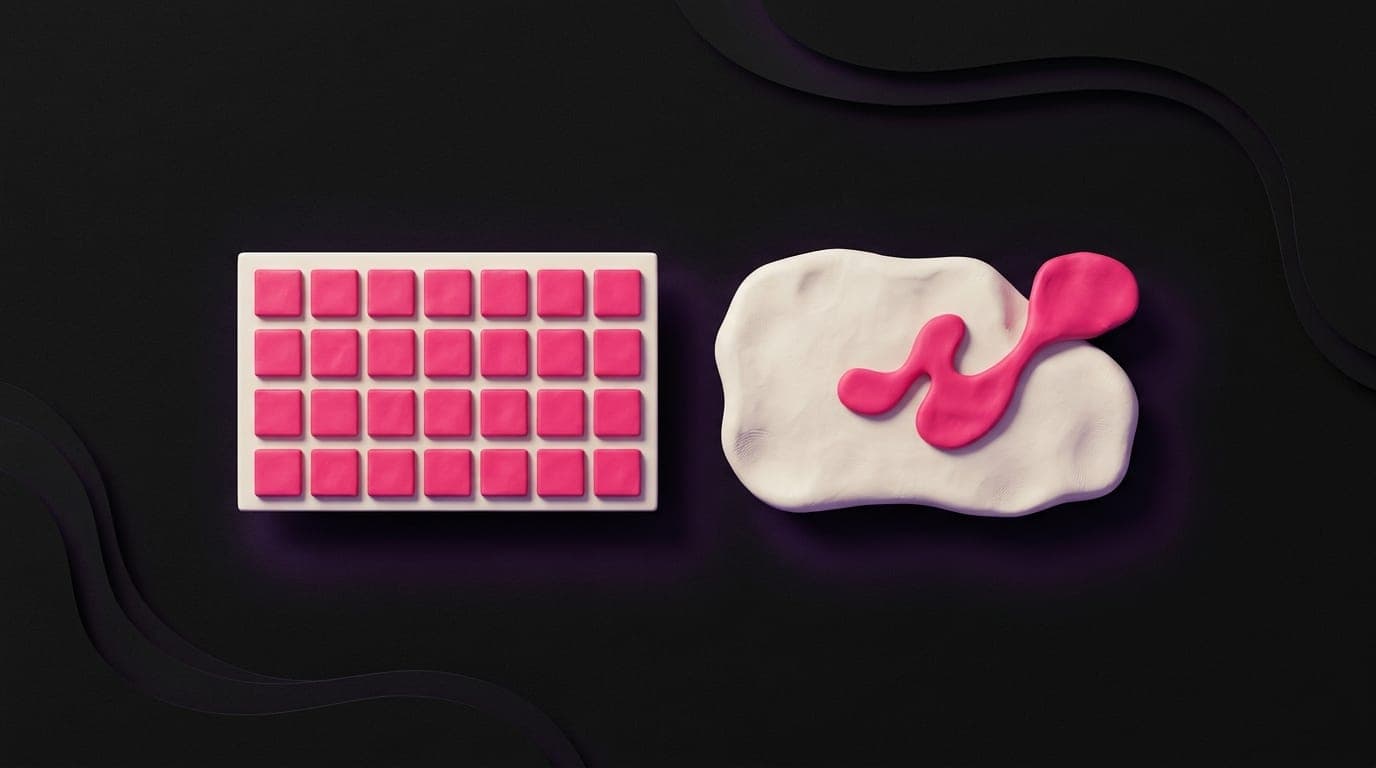
There's a third option that's emerged in the last couple of years: AI-Accelerated. Custom-designed front-end (real strategic decisions, real brand application, real designer steering it) but with AI compressing the build time. Output looks custom because the decisions are custom. Price sits closer to template territory because the production is faster.
This is where most growing businesses actually want to be. You're past template-land (the brand is real, the offer is real, the budget is real) but you don't need an eight-week design sprint with two designers on it. AI-Accelerated lands in the middle, and for most briefs it's the honest answer.
A framework, not a verdict
Ask yourself three things. What's the site's actual job. How much does premium positioning matter to your offer. How much can you afford to invest right now without it being a stretch.
- 1Job is "be online and explain things", positioning isn't premium, budget is tight: template
- 2Job is "convert real traffic to real enquiries", positioning matters, budget is realistic: AI-Accelerated
- 3Job is "this site has to feel like nothing else", positioning is premium, budget reflects that: Bespoke
Three honest paths. The mistake isn't picking the wrong one for your taste. The mistake is picking the wrong one for the job.
Founders are smart. They don't need a dogma. They need the framework. Pick the lane that matches the brief, not the lane that matches the loudest voice on LinkedIn.